I can clear a stretch of kitchen counter, turn around, and find something new on it before I have put the cloth away. In my house, keeping that space occupied appears to be the kids' full-time job. They are extremely committed. I would love to see this level of initiative applied to the dishwasher.
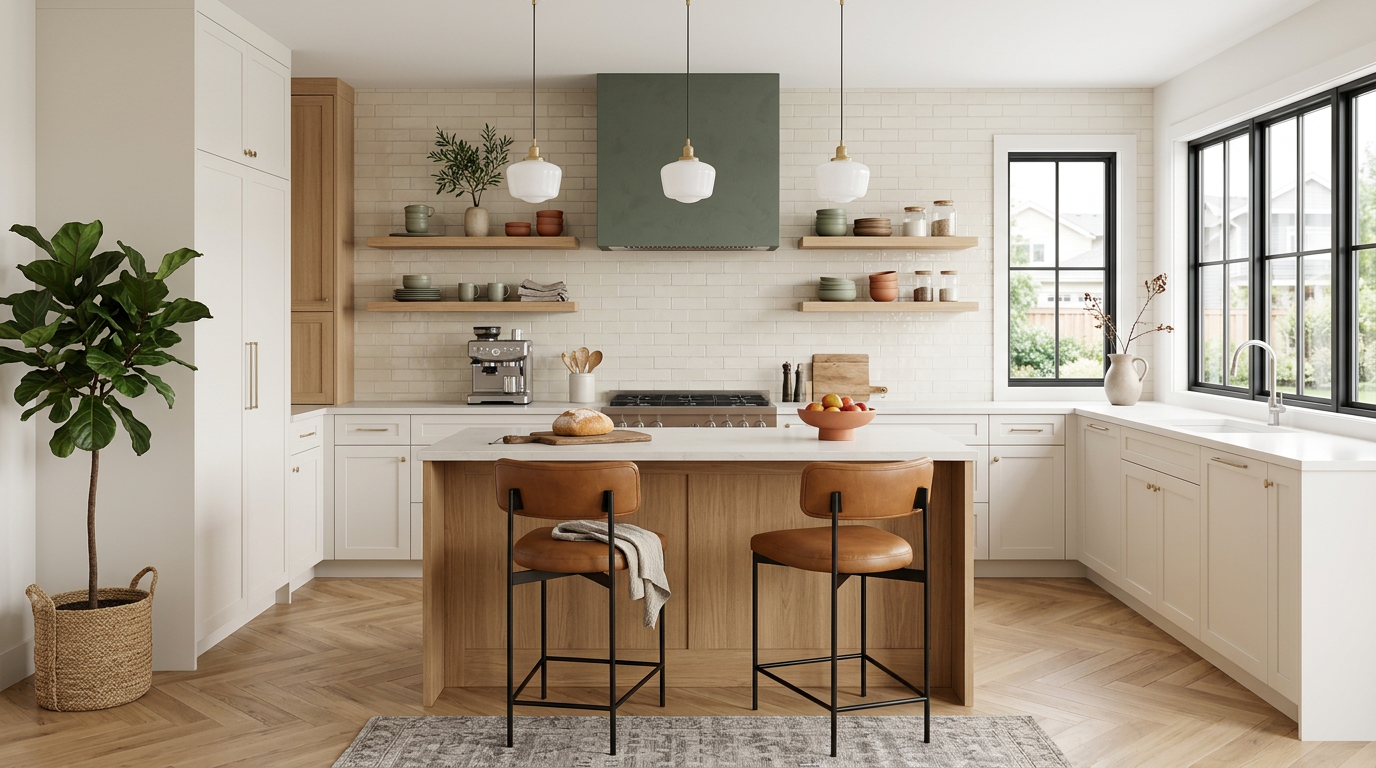
So I am not going to suggest that your counters should be empty. We live here. There needs to be somewhere to set down the water bottle, the mail, and the thing someone has just handed you while you are making dinner. My goal is to keep enough room to actually use the kitchen without spending my life defending a cleared surface.
Start with the appliances, not the accessories
Take inventory of what is on the counter and how often you use it. Daily coffee maker? It has earned its spot. An appliance you use once a month probably needs a home elsewhere, even if you were very enthusiastic about it when you bought it.
Check the cupboards before buying an organizer. Can you free a low shelf for the blender or move a serving dish to make room for the mixer? Keep heavy items somewhere you can lift them comfortably. The best storage spot is one you will actually use, not a high shelf that requires a small expedition.
Blind corners can be useful for tucking appliances away between uses. Just move an appliance into an appropriate operating position before switching it on, with the ventilation and clearance its instructions require. Tucked away and running are two different arrangements.
It is okay to have a set-down space
Give yourself one. Mine is full about 99 percent of the time, so please do not imagine I am writing this from a spotless expanse of marble. I simply want the incoming things to land in a predictable place instead of spreading across every food-preparation surface.
A small tray or a defined end of the counter can work. Choose a time to empty it: after dinner, before starting the next meal, or during a five-minute family pickup. Papers get dealt with, dishes move to the kitchen's actual dish area, and things that belong elsewhere leave the room. The tray is a temporary stop, not their new address.
Let the drawers do more of the work
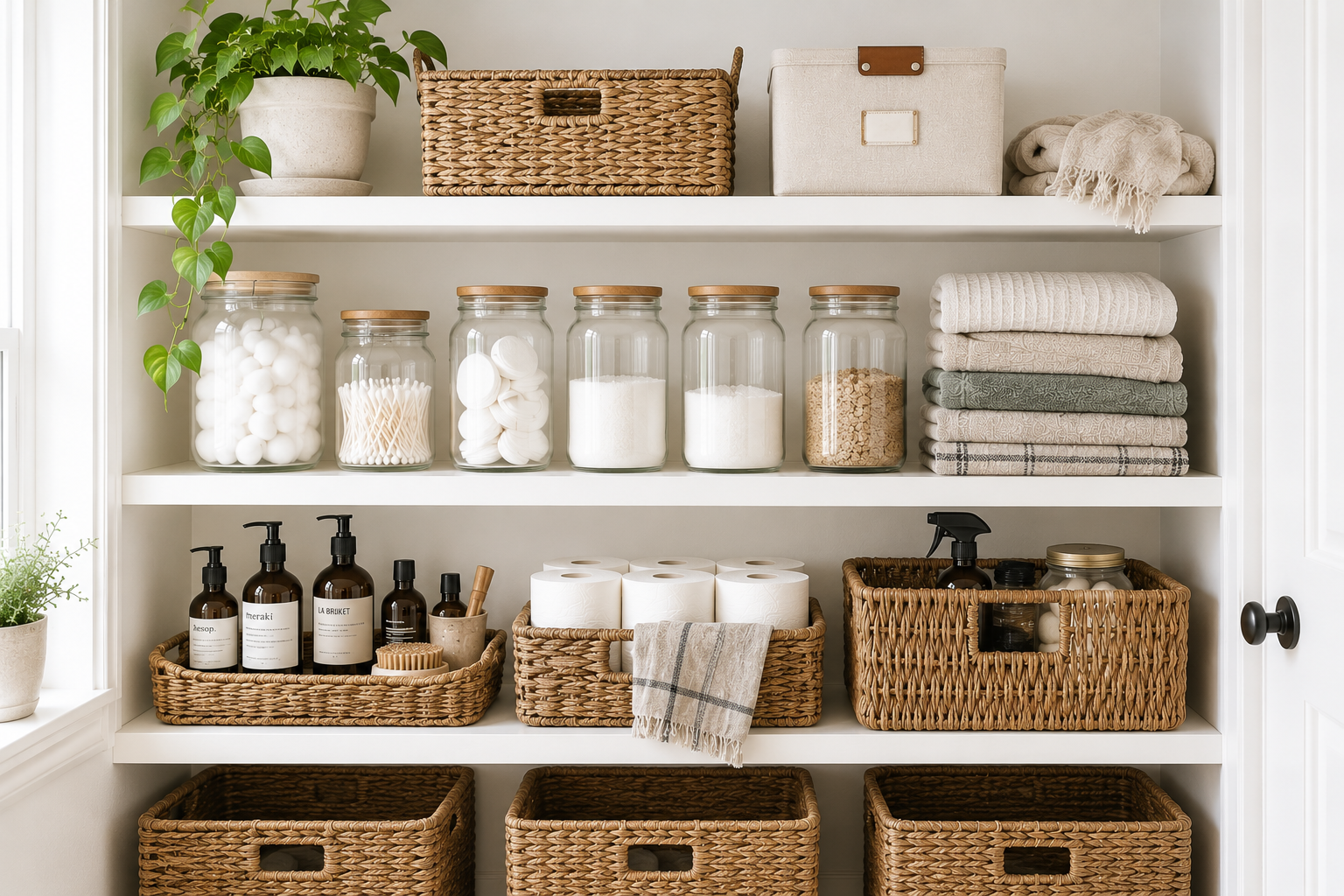
The more your drawers have clear spots for everyday things, the less needs to live on the counter. Put clips together, give the scissors a home, and stop asking one drawer to hold every object whose purpose is unclear.
Consider converting the junk drawer into a home for charging equipment. Use a purpose-built, appropriately ventilated setup if devices will charge there, follow the equipment's instructions, and get qualified help for any electrical installation. Do not trap hot devices or adapters in a closed, crowded drawer or pinch cords through it. Even without power inside, a drawer can neatly store chargers and cables between uses.
And the junk? Be honest about how much is useful. Keep a small, divided spot for the few practical odds and ends you need. You probably do not need the entire collection of mystery screws and expired coupons occupying prime kitchen space.
Ask where it will live before you buy it
This is the least glamorous and most effective counter-clearing habit: bring home fewer things. Before buying another appliance, ask what job it does, how often you will use it, and exactly where it will go. If there is no answer to that last question, wait.
You do not need a perfect kitchen. You need a clear place to chop dinner, access to the things you use, and a plan for the inevitable pile. In my house, that pile will be back shortly. At least now it knows where to sit.