Last Thanksgiving, we went to my in-laws, and I was thrilled to have the year off from hosting. I was drinking coffee and looking through Black Friday sales on my phone while my kids were moving on to the next holiday with considerably more urgency.
The “Give Thanks” pillow covers were being ousted as fast as possible to make room for Christmas. In their effort to get us festive, the seasonal handoff was happening at a speed I had not personally approved.
I love that they are excited. I also think there is room to slow things down just enough to decide what we actually want to bring out, what matters to us, and what we do not need to put back in storage yet again.
Begin with the pieces people care about
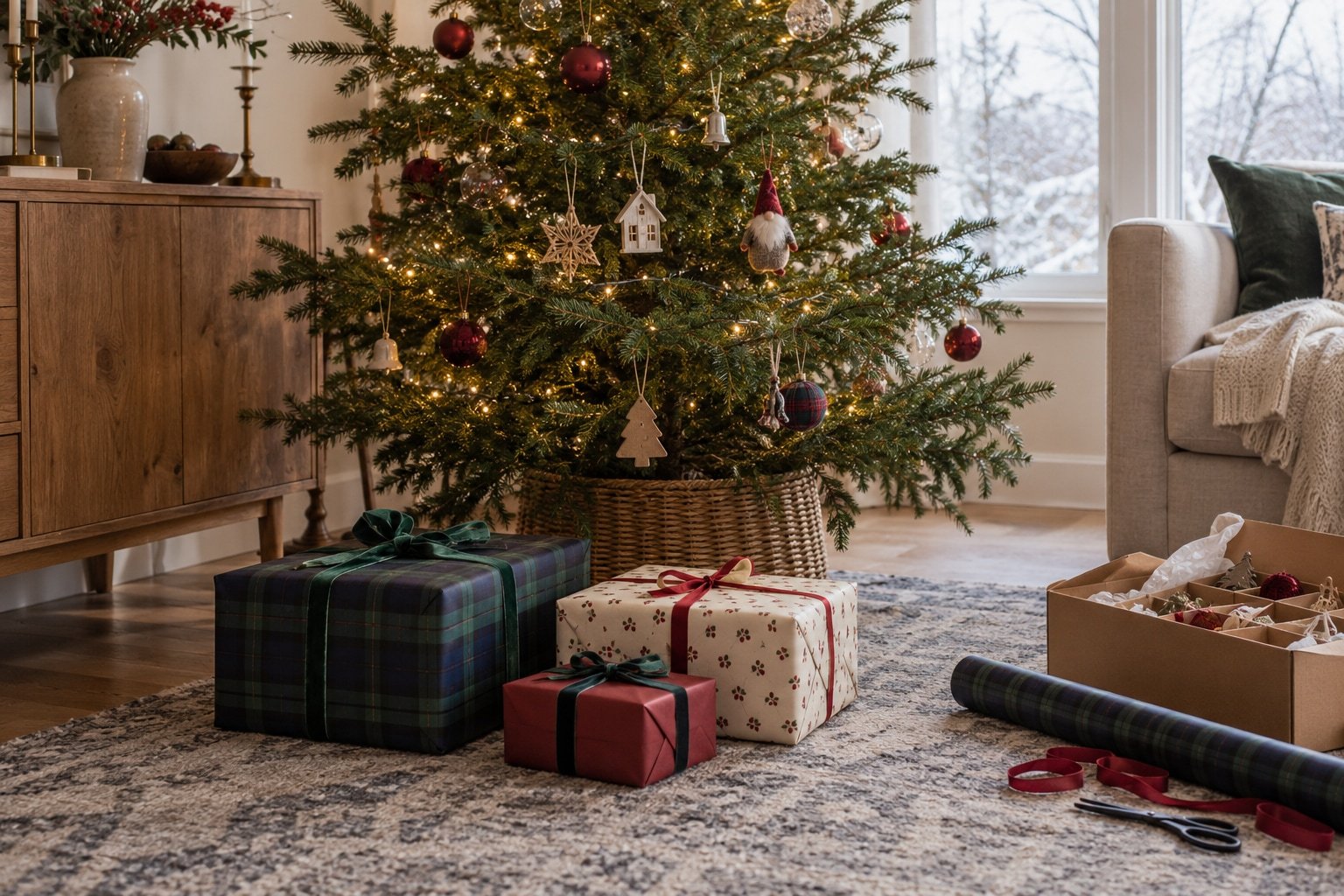
Open one box and ask what everyone wants to see. The ornament someone made, the decoration you always put in the same place, the slightly imperfect thing that has become part of your family's season: let those pieces lead.
The macaroni angel your son made in kindergarten deserves consideration that a generic decoration from a street fair may not. That does not mean every handmade thing must stay forever or every purchased piece has to go. It means the collection can reflect what is meaningful now instead of everything that has ever come through the door.
If you are unsure about a sentimental piece, photograph it or put it aside to decide on later. Do not turn a festive afternoon into a rushed argument about the emotional importance of a paper plate.
Edit the things that keep accumulating
Styles change, but volume is a reason to edit too. Even pieces you still like can add up to more than you want to display or store. Look at what you actually use, what remains boxed every year, and what has become a habit rather than a favorite.
Pass on suitable items responsibly and keep a manageable amount of storage. A decoration can have served its purpose without requiring a permanent place in your house. That is especially helpful to remember during a sale that suggests the living room needs eight more things.
Let the kids help make the choices
Ask which traditions they look forward to, then involve them in putting out those pieces. Explain what makes particular decorations special. You may learn that the slightly crooked ornament matters far more to them than the coordinated arrangement you spent ages assembling.
Give everyone a defined part of decorating and pause before opening the next box. Their excitement can be part of the process without requiring the entire house to be transformed before lunch.
Choose a few places to make festive
Start with the tree, a shelf, or the table rather than covering every surface. Leave space for ordinary life. Use safe, stable arrangements appropriate for children and pets, and follow the instructions for seasonal lighting.
Real wrapping paper in colors or patterns you enjoy can contribute plenty of atmosphere without another box of decorations. Keep the paper, ribbon, tape, and gift tags together so wrapping does not take over the entire room.
Pack away a collection you want to open again
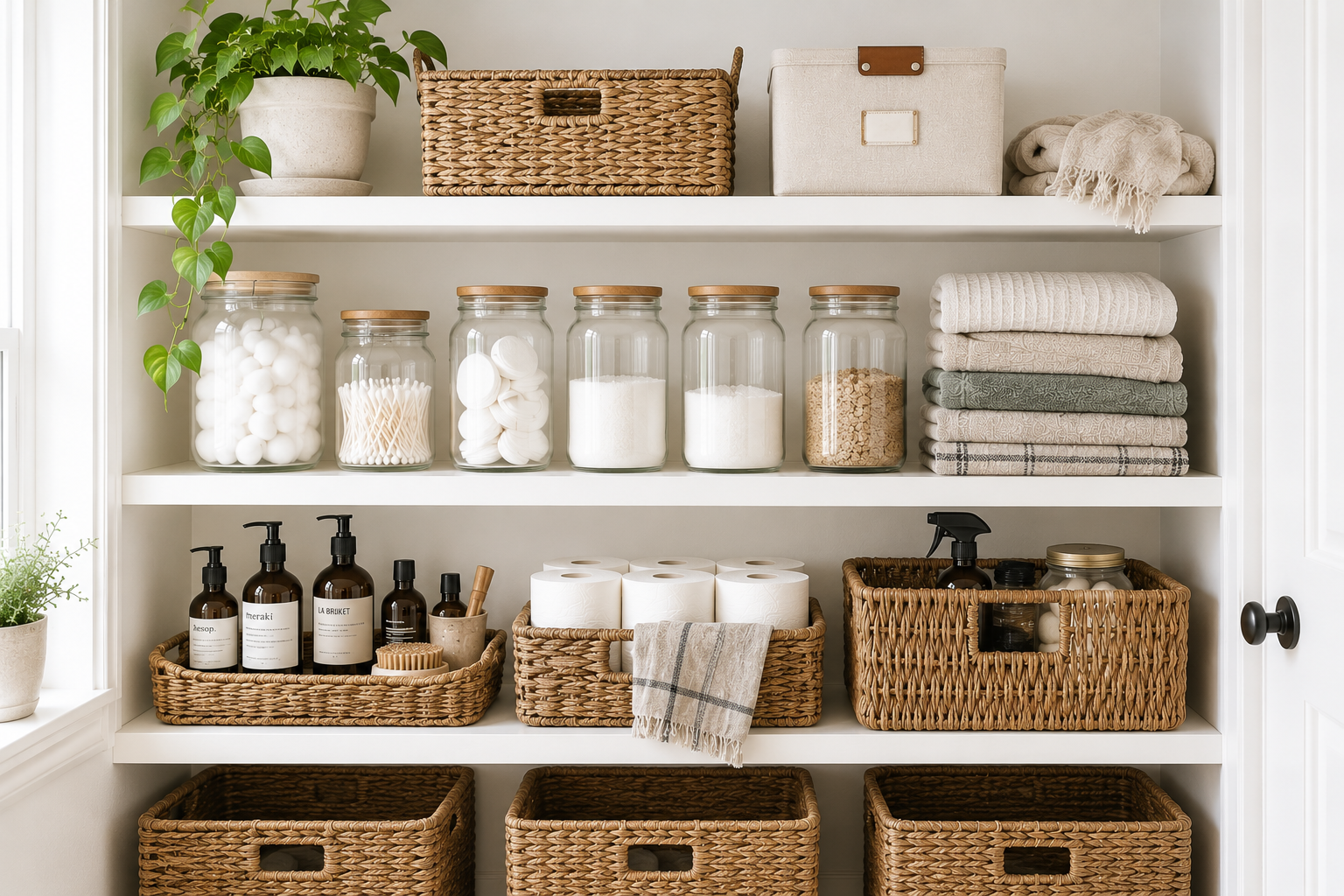
Label boxes sensibly, protect fragile pieces, and store items according to their needs. Keep your favorites easy to find next year. The aim is to open the first box with anticipation rather than a sigh.
We can keep the children's enthusiasm and still take a breath. A home feels festive because the family is enjoying the season in it, not because every autumn pillow cover has been successfully removed from the premises.