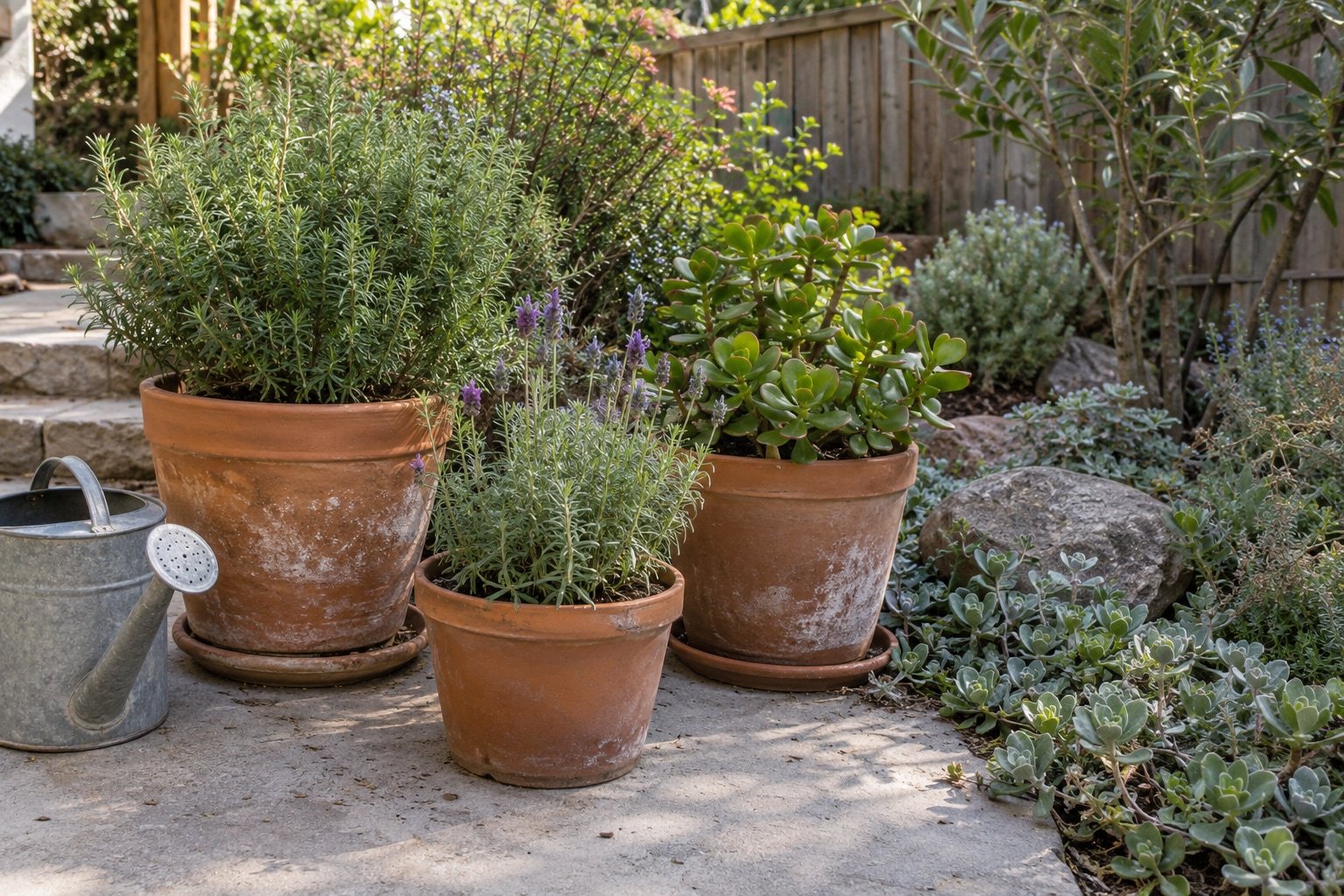
Company is coming over for a last-minute barbecue, so you look outside to see what you are working with. The chair is technically available. It just has a few cobwebs, a faded throw pillow, and a growing need for a sand-down and a fresh coat of stain.
You wanted somewhere pleasant to eat, not a furniture restoration deadline before anyone can sit down. This is why I like the idea of keeping outdoor spaces reasonably ready, rather than waiting for the afternoon we suddenly need them.
The goal is not a perfect patio. It is a little maintenance at the right time so that saying “come over” does not immediately create an enormous second job.
Put two outdoor checkups on the calendar
Once in the fall and again in early spring is a useful place to start, adjusting for your local seasons. Walk through the space, inspect furniture and fittings, clean according to their care instructions, and note anything that needs repair or refinishing.
Check fabric, frames, wood finishes, and the places where leaves or water collect. Deal with small problems while they are small. If a piece needs staining or paint, plan for the preparation, appropriate weather, drying, and curing time the product requires, rather than trying to squeeze it in before guests arrive.
Protect things in a way you will repeat
If your outdoor season ends for the winter, choose suitable dry storage or properly fitting covers and follow the furniture maker's guidance. Clean and dry items as directed before storing, and consider airflow, drainage, and local wind.
If you use the space year-round, protection still helps. Give cushions a convenient dry home, keep covers somewhere reachable, and choose an arrangement that takes minutes to secure. A cover stored behind six other things is less likely to get used on an ordinary evening.
Keep the everyday setup simple
Leave a clear route to the seats and a stable place to set a plate or drink. Use furniture suited to the exposure and the level of care you can give it. An outdoor space works better with a few useful pieces than with a collection you constantly have to rearrange.
Give small items one storage spot. Outdoor dishes, a suitable cleaning cloth, and the things you regularly carry outside are easier to find when they are not scattered through several cupboards. Keep any cleaning supplies appropriately secured and separate from food items.
Before guests arrive, do the short version
Brush away loose debris and cobwebs, wipe suitable surfaces, set out dry cushions, and check that the seating is stable and usable. Clear the table, handle the trash, and put out the things people need.
That quick reset is much more manageable when the larger maintenance has already happened. It also leaves you free to enjoy having people over instead of quietly calculating how long it has been since you looked under the chairs.
Start with the protection habit that would save you the most work. You do not have to overhaul the backyard this weekend. You just want it to be a place you can use when the weather, the family, or a spontaneous barbecue gives you a reason.