We get used to the things we see every day. The cluttered counter. The almond-colored light switch cover. The scuff on the baseboard that initially made us crazy and now barely registers. Not because we love it. It has simply become part of the background.
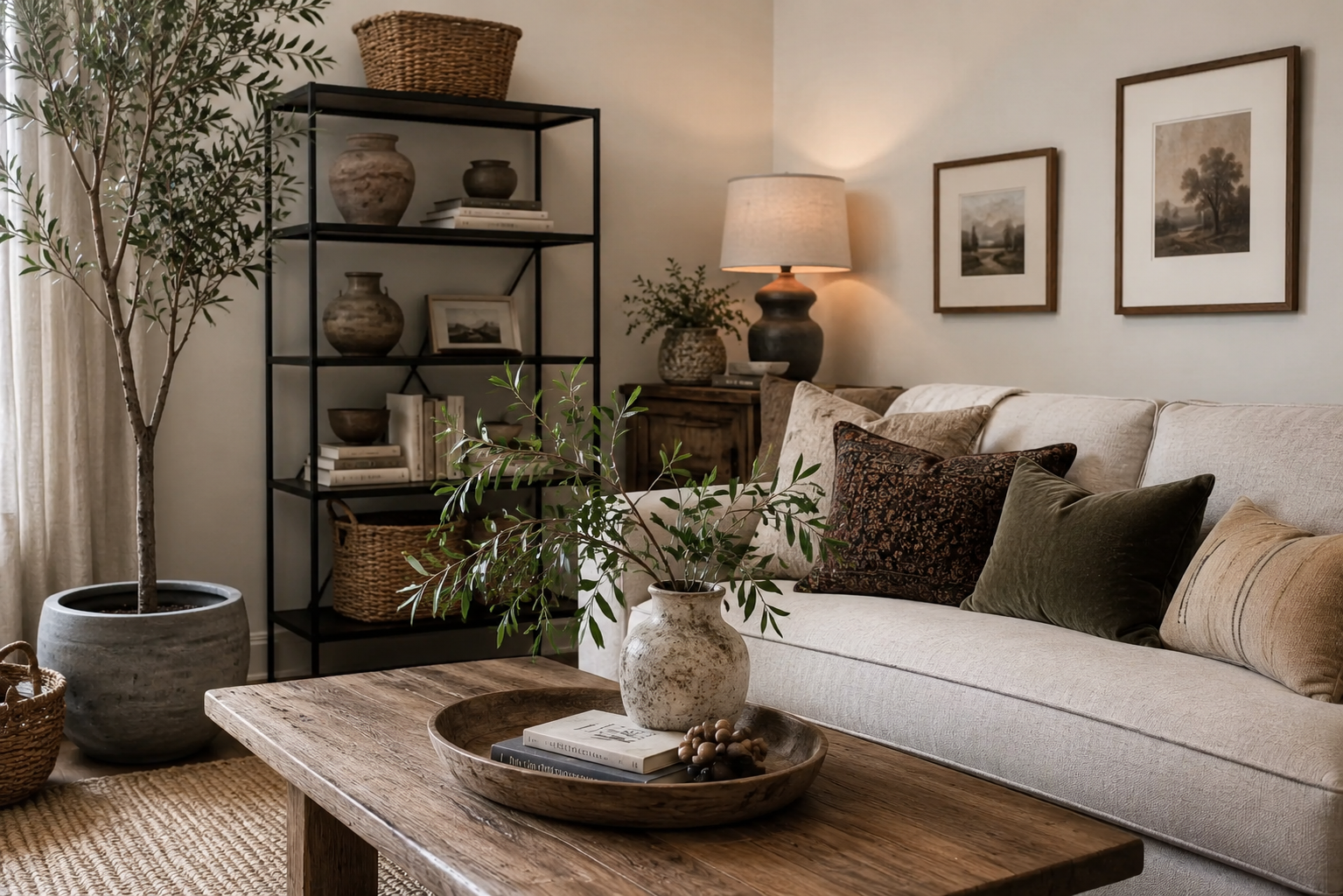
Corners are especially good at disappearing this way. A spare blanket lands there, then an old side table, then a toy bin. None of it feels like a decision, but eventually the room has acquired a corner you would not choose if you were seeing it for the first time.
Refreshing that one spot can feel like grabbing a fresh kitchen sponge and suddenly realizing just how gross the old one was. You thought things were fine. Now you can see the difference.
Look at the corner as if it belongs to someone else
Take a photo from the doorway. Look at it on your phone instead of looking straight at the room. What catches your eye? What feels crowded, unfinished, or unrelated to how you use the space?
Choose one corner, not an entire room's worth of problems. Write down what it should do: hold the blankets, provide a place to read, or simply give the room a little breathing space. A corner does not have to do all three.
Empty it before deciding what it needs
Move out the loose items, then clean the floor and baseboard. Return anything that belongs in another room to its actual home. This is the point where you may discover that the room needs less furniture rather than a better accessory.
Try the space empty for a day. Then put back the useful piece first. If a chair stays, can you reach a light and set down a drink? If the corner stores toys, can the kids easily put them away? Make it work before making it pretty.
Notice the small fixes again
Straighten the lampshade. Clean the switch cover or replace a compatible decorative cover where appropriate. Address the scuffed trim using a suitable touch-up method. These little details can make a room feel cared for without requiring a furniture delivery.
Do not turn this into a list of everything wrong with the house. The point is to regain your eye for one small space, not to become personally offended by every baseboard.
Borrow before you buy
Move a lamp or basket from elsewhere and test the arrangement. Tape out the size of any new piece you are considering. Set a spending limit before shopping, including delivery and necessary fittings.
Sometimes one cushion cover or a new lampshade is enough. Sometimes the answer is simply removing the old table and allowing the chair beside it a little more room. Give the no-purchase version a chance first.
Let the small improvement count
Stop when the corner works and you like looking at it. Leave it that way for a week. A small, finished change can make the whole room feel refreshed because it interrupts what you had stopped noticing.
You can tackle another corner later. For now, enjoy the fresh-sponge feeling without deciding the entire house needs to be scrubbed into a new personality.